MAY'S ARTIST SPOTLIGHT: ÁLVARO DÍAZ
- May 31
- 4 min read

Before the Latin Grammy nominations, the sold-out shows, and the genre-blending acclaim of SAYONARA and OMAKASE, Álvaro Díaz was a shy kid from Hato Rey, San Juan, quietly building a world of his own.
Born Jorge Álvaro Díaz Rodríguez on July 25, 1995, Díaz grew up surrounded by music. His mother, an interior designer, sang to him regularly throughout his childhood, while his father performed in a salsa orchestra and played multiple instruments. Yet despite those influences, he initially kept his own voice hidden. Instead, he found confidence through rap battles at school, sharpening his wit and wordplay. At home, he immersed himself in everything from Eminem, Kanye West, and Kid Cudi to alternative rock staples like Blink-182, developing a musical palette that would later become impossible to categorize.

By 2012, Díaz was uploading music to SoundCloud, emerging as one of the earliest voices in the new wave of Latin Trap, blending East Coast hip-hop grit with the rhythmic DNA of the island. While many artists chased trends, he was already crafting something more personal, writing about ambition, heartbreak, island life, and the everyday experiences that shaped him. His ability to combine sharp lyricism, memorable punchlines, and introspective storytelling quickly earned him attention across Puerto Rico’s underground hip-hop scene.
His breakout arrived in 2015 with “Chicas de la Isla,” followed by his debut album Hato Rey. Named after the San Juan neighborhood where he was raised, the project blended soul, funk, reggaetón, plena, bomba, and hip-hop into a distinctly Puerto Rican sound. Even then, Díaz wasn’t interested in fitting neatly into any one lane. The album established a creative philosophy that would continue to define his career: honor your roots and then push beyond them.

That restless experimentation continued with his 2016 project, San Juan Grand Prix, a grittier more confrontational album that showcased a harder edge. As his profile grew internationally, he became one of Spotify’s Artists to Watch and developed audiences across Spain, Mexico, Chile, and the United States. Collaborations followed, including 2019’s “Videos” with Rauw Alejandro and the infections electro-cumbia single “Mera” with longtime collaborator Tainy.
By the time Díaz Antes arrived in 2020, featuring artists like Yandel and Cazzu, Díaz had cemented himself as one of Latin music’s most respected underground voices. It was 2021’s Felicilandia, though, that would transform him into something even larger.
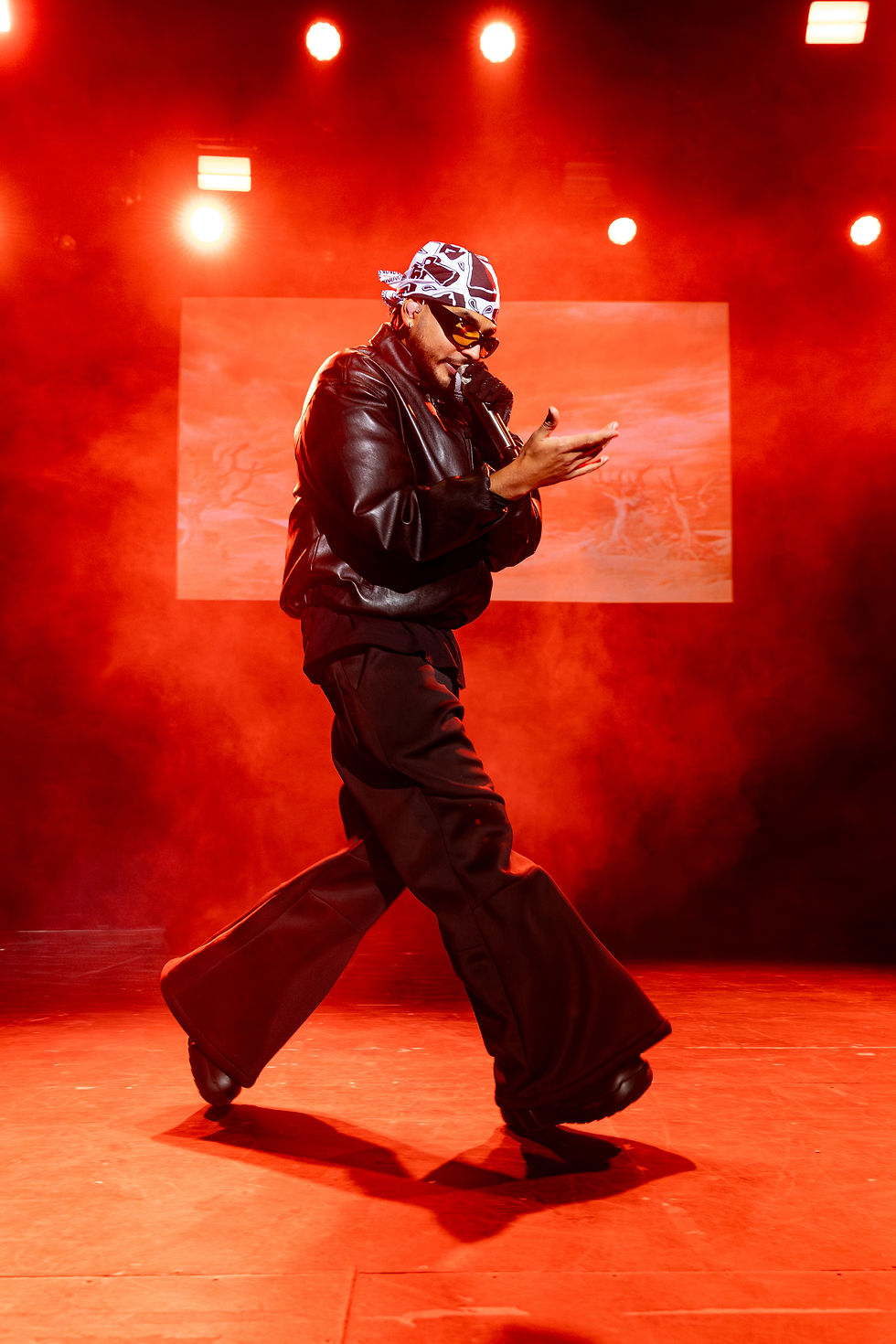
Inspired by a fictional amusement park representing a euphoric escape from reality, Felicilandia introduced a more expansive and cinematic version of Díaz. The project balanced vulnerability with experimentation and helped propel him into the mainstream Latin Urbano conversation. More importantly, it showcased his gift for world-building. Albums were no longer just collections of songs but instead, immersive universes complete with their own visual language, themes, and emotional arcs.
That creative ambition reached new heights with 2024’s SAYONARA, a record Díaz has described as deeply tied to his own personal experiences with love, loss, and letting go. The album expanded on the universe established in Felicilandia while embracing a sonic palette that felt both nostalgic and futuristic. Synths, anime references, old-school reggeatón, alternative rock, house music, Latin Trap, and early hip-hop all collided across a project that felt like a living breathing world.
Tracks such as “KAWA” and “GATITAS SANDUNGUERAS VOL.1” with Feid showcased his ability to honor reggeatón’s foundations while continuously reshaping its possibilities. Elsewhere, songs like “YOKO” and “QUIÉN TE QUIERE COMO EL NENE” revealed an artists increasingly comfortable with risk and vulnerability. The album went on to earn Díaz Latin Grammy nominations in multiple categories while further cementing his reputation as one of Latin music’s most innovative voices.
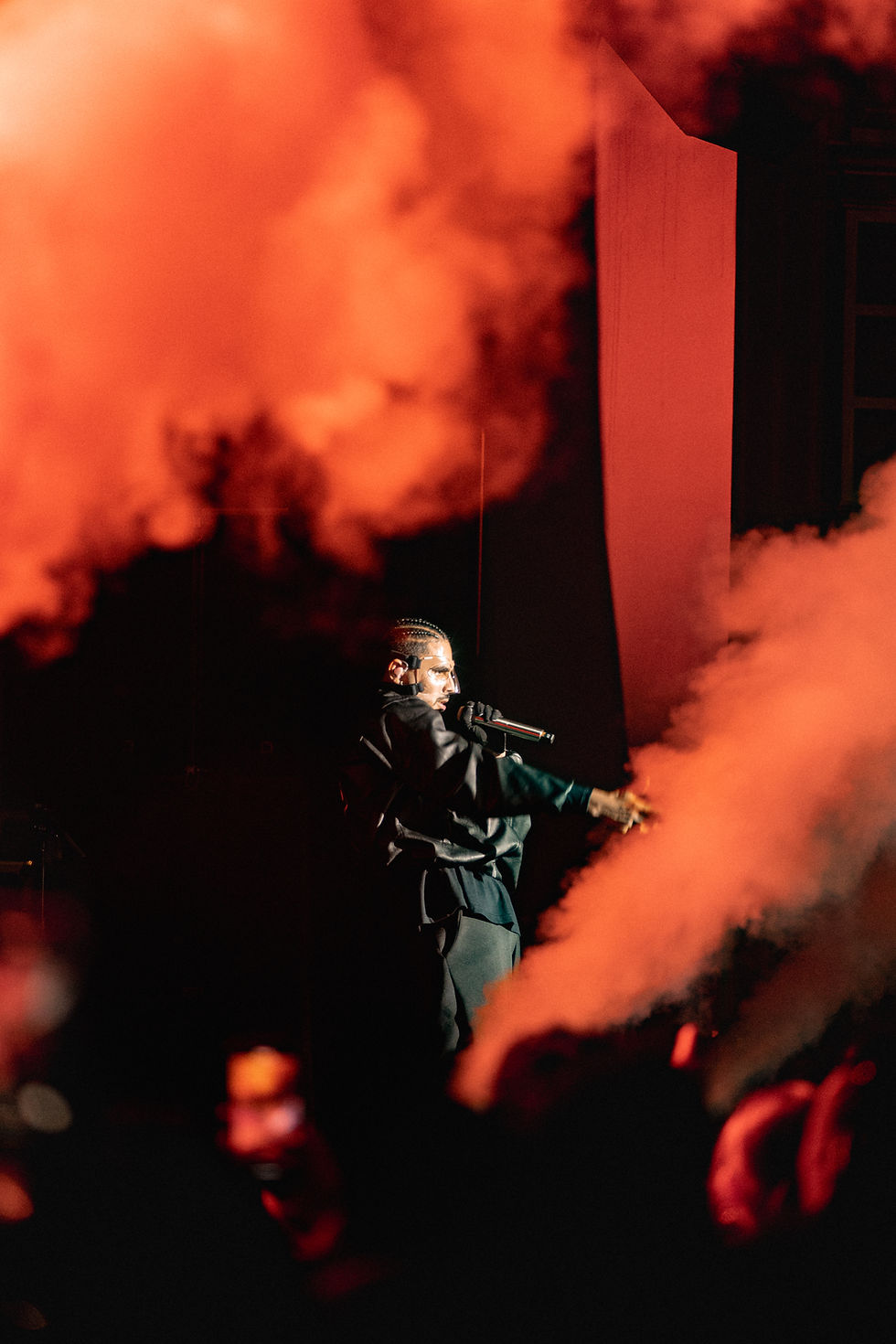
Now Díaz enters a new chapter with OMAKASE, released in May 2026. Inspired by the Japanese dining experience where each course is carefully selected by the chef, the album reflects a period of emotional contradictions in the artist’s life. During the project’s creation, Díaz found himself simultaneously celebrating major professional milestones and navigating personal losses, heartbreak, and disappointment. Rather than forcing all those emotions into a singular narrative, he embraces the chaos.
The result is one of his most adventurous works yet. Across OMAKASE, dembow collides with cumbria, plena morphs into unexpected chord progressions, and hip-hop foundations coexist with experimental production. Collaborators include Tainy, LATIN MAFIA, Jesse Baez, and hidden contributions from Rauw Alejandro add new textures to a project that constantly shifts shape without losing cohesion. It is both ambitious and deeply human. OMAKASE is a reflection of an artist who has learned that growth rarely follows a straight line.
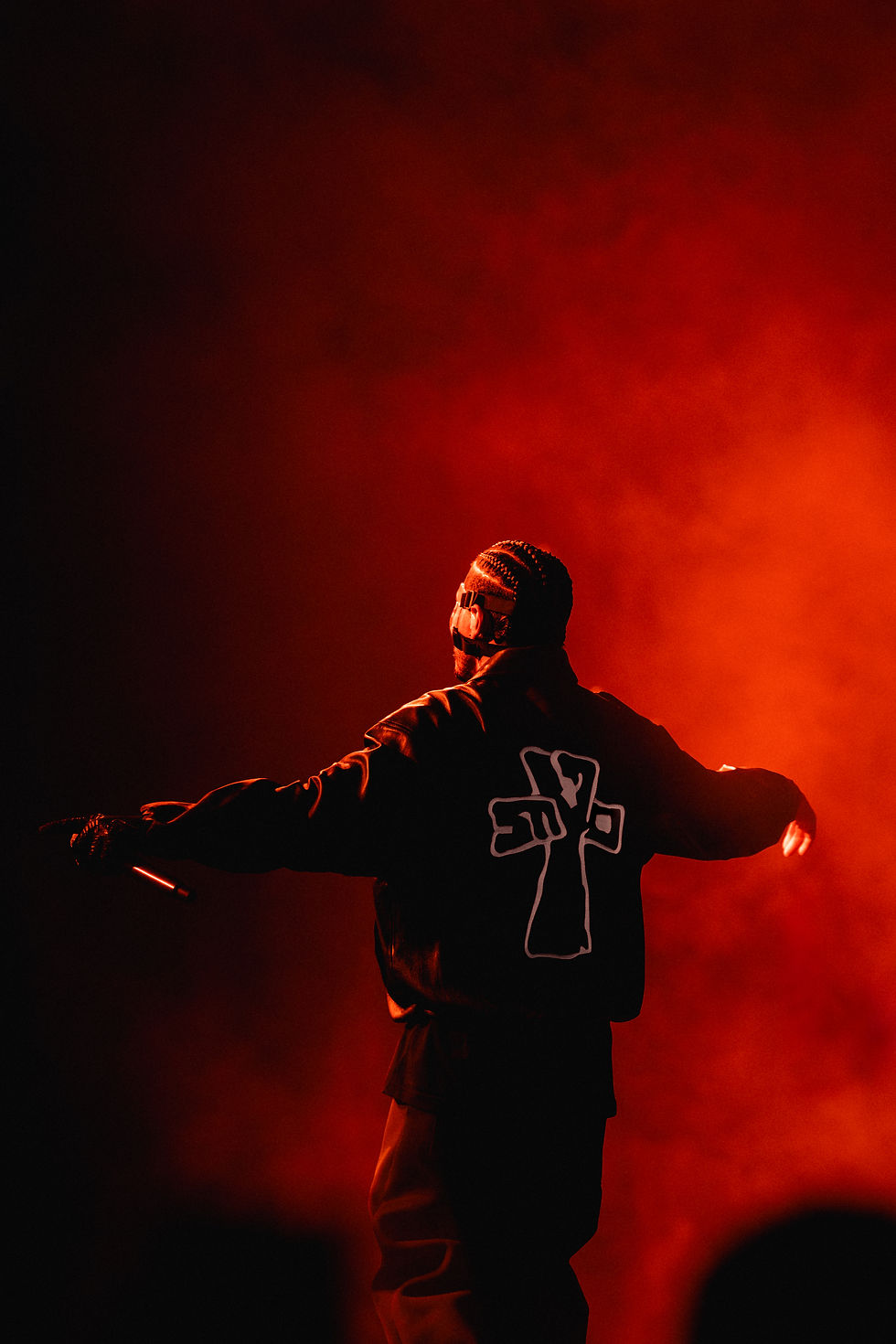
What makes Álvaro Díaz unique isn’t simply his willingness to experiment. It is the level of intention behind every decision. He composes and produces his own music, oversees the creative direction of his projects, and approaches each release as a complete artistic ecosystem spanning visuals, storytelling, marketing, design, and performance.
In an era where formulas often dominate the charts, Díaz continues to choose curiosity over comfort. He remains one of the rare artists willing to be vulnerable when vulnerability isn’t fashionable, to innovate when repetition would be easier, and to follow an idea no matter where it leads.
Written by: Ana Oquendo
Photographed by: Steven Esperanza